

Everyone Has Seen It. Not Everyone Has Done It Well.
Scandinavian interior design is one of the most referenced aesthetics in Singapore home renovation. It is also one of the most misunderstood. Done well, a Scandinavian-inspired HDB flat feels warm, calm, genuinely functional and quietly beautiful. Done as a surface exercise, it is a white room with some plants and an IKEA side table.
The difference comes down to understanding what Scandinavian design is actually about, rather than just what it looks like on a mood board.
The Principles Behind the Look
Scandinavian design emerged from a practical response to long, dark Nordic winters. The priority was warmth, light and functionality. Everything in the space had to serve a purpose. Materials were chosen for how they felt to live with over time. Light was amplified wherever possible.
In a Singapore context, the “long dark winters” problem does not apply but the underlying logic still does. Small spaces that need to feel larger. Natural materials that age well in tropical conditions. Functional storage that removes clutter. Lighting that creates warmth in the evening. All of this translates.
Colour: White Is a Starting Point, Not a Destination
The association of Scandinavian design with pure white walls comes from its function as a light-maximising strategy in dark northern climates. In Singapore, where sunlight is abundant, pure white walls can feel stark and clinical rather than airy.
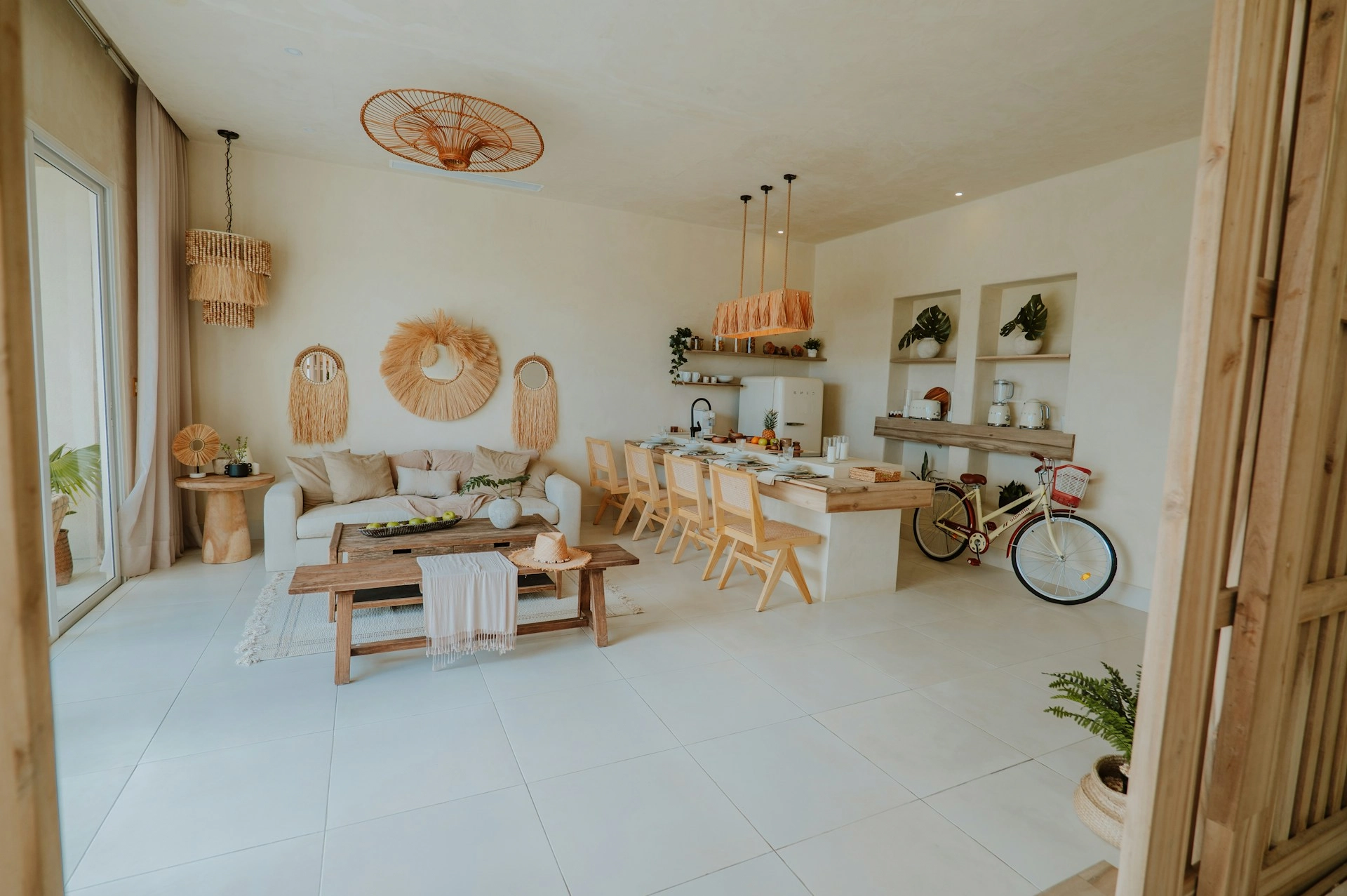
The more interesting Scandinavian palette for Singapore homes is warm white, off-white, warm greige or pale dusty tones that read as near-neutral but carry warmth. These sit beautifully against natural timber, linen and the grey and charcoal accents that characterise the Scandi aesthetic without making the space feel like a hospital ward.
Our HDB paint colour guide goes into more detail on how lighting conditions in different HDB orientations affect how white-based colours read in practice.
Natural Materials: The Non-Negotiable
Scandinavian design’s warmth comes almost entirely from natural materials. Light timber, whether in flooring, furniture or built-in carpentry, is the most important element. Ash, oak and light walnut are the tones that sit in the Scandi range. Birch plywood used in furniture and shelving is authentically Scandinavian and works beautifully as a shelf or cabinet material in its raw or lightly oiled state.
Complement timber with linen (curtains, cushions, bed linen), wool (a rug, a throw), ceramic (tableware, plant pots) and rattan or cane in small accent pieces. The combination of these textures is what creates warmth and visual interest in a palette that otherwise has limited colour contrast.
Lighting: This Is Not Optional
Scandinavian interiors treat lighting as a primary design element rather than a utility decision. Multiple light sources at different heights create the warm, layered atmosphere that characterises the style. A single overhead fluorescent or cool white downlight is incompatible with this aesthetic regardless of how well everything else is executed.
For a Scandinavian-inspired Singapore flat, plan for warm white LEDs throughout (2700 to 3000 Kelvin), pendant lights over the dining table, a floor lamp beside the sofa and bedside lights in the bedroom. A dimmer on the main living room circuit allows the shift from daytime brightness to evening warmth without changing any fittings. Our electrical team handles all lighting circuit planning as part of renovation.
Furniture: Fewer, Better Pieces
Scandinavian design is not minimalist in the sense of sparse or ascetic. It is purposeful. Every piece earns its place. Furniture tends to have clean lines, visible joinery and legs rather than sitting directly on the floor (which makes rooms feel airier). Quality is valued over quantity.
In practice for an HDB flat, this means resisting the urge to fill every surface and every corner. A well-chosen sofa, a simple dining table and a coffee table with considered proportion will make the room work. Adding a fifth or sixth piece because you have the space is how Scandinavian design loses its character.
Where Empire Works Comes In
The built-in carpentry in a Scandinavian-inspired HDB flat, wardrobes, kitchen cabinets and TV units in light timber veneer or clean-lined laminate, sets the tone for the whole space. Getting that right requires a carpenter who understands how materials and proportions affect the final result.
Our carpentry team builds all custom carpentry with material samples brought to your home before anything is confirmed. Browse our completed projects for examples of Nordic and Japandi-influenced renovations in Singapore HDB flats. For the Japandi version of this aesthetic, which blends Scandinavian and Japanese principles, our Japandi interior design guide is worth reading alongside this one. Contact us for a free design consultation.


