The Question Every New Homeowner Asks
You’ve signed with a contractor and they hand you a schedule that mentions “wet works” starting on Monday and “dry works” in week three. If you’re not sure what either of those actually means in practice — or why the sequence matters — you’re not alone. Most first-time homeowners walk into renovation planning without this context, and it costs some of them dearly when things get done in the wrong order.
Here’s the breakdown.
What Are Wet Works?
Wet works are anything that involves water, concrete, or materials that need to set and cure. In an HDB renovation, these are typically:
- Hacking — breaking down existing tiles, walls, or structures
- Waterproofing — applying membrane to bathroom floors and wet walls
- Screeding — levelling the floor with a cement-sand mix before tiling
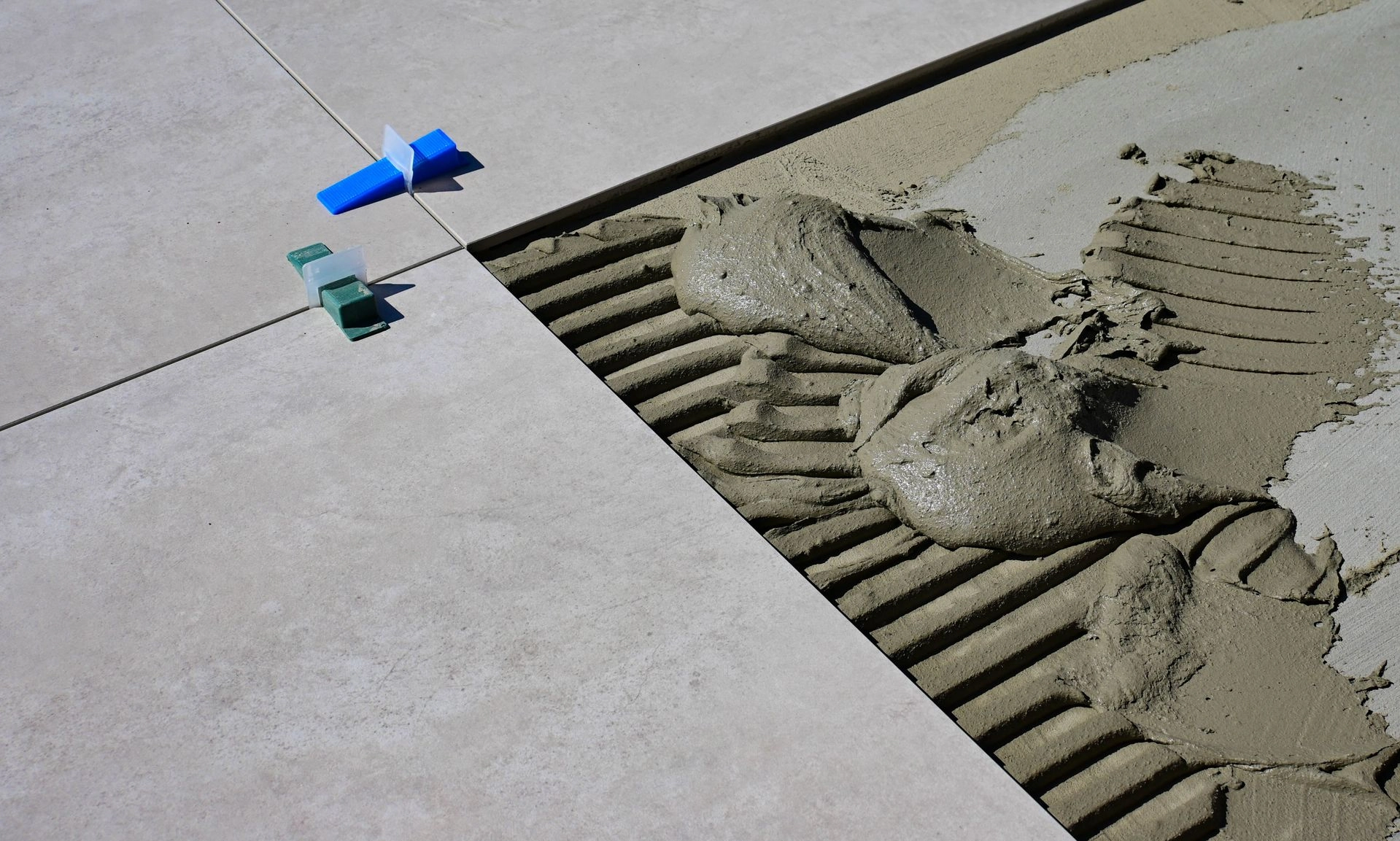
- Tiling — laying floor and wall tiles with adhesive and grout
- Plastering — patching walls or building new ones
- Masonry — any brick or block work
- Plumbing rough-in — routing pipes before walls are closed up
These jobs are messy. They generate dust, debris, and moisture — which is exactly why they need to happen first, before anything clean or fragile goes in.
What Are Dry Works?
Dry works are everything that comes after the wet stage is complete and cured. Think of these as the finishing and fitting-out phase:
- Carpentry — installation of cabinets, wardrobes, feature walls, and built-ins
- False ceiling — plasterboard or timber slatted ceiling installation
- Painting — walls, ceilings, and any carpentry touch-ups
- Electrical final fix — mounting of switches, sockets, light fittings
- Plumbing final fix — fitting sanitary ware, taps, and shower heads
- Door and hardware installation
- Flooring overlay — laying vinyl or other finishes over existing tiles
These works require a clean, stable environment. Carpentry and paintwork done in a dusty, wet site get damaged and usually have to be redone — adding cost and time.
Why the Sequence Is Non-Negotiable
Renovation works must follow the wet-before-dry sequence. There’s no flexibility here. If waterproofing hasn’t cured properly before tiling begins, you risk seepage. If screeding isn’t done before carpentry measurements are taken, your cabinet heights will be off. If plastering isn’t complete before painting, you’ll have uneven surfaces that show through the paint finish.
The most common cause of renovation delays in Singapore isn’t bad contractors — it’s curing time. Waterproofing membranes typically need 24–48 hours to cure before tiling can begin. Screed needs 3–7 days depending on thickness. Plaster needs 7–14 days before painting. A contractor who rushes these cure times to hit deadlines is setting you up for expensive rectification later.
For a full breakdown of how long each stage takes, read our HDB renovation timeline guide.
A Typical HDB Renovation Sequence
A well-run HDB renovation follows this general order:
- Hacking (demolition of existing finishes)
- Masonry and plastering (wall repairs and new partitions)
- Waterproofing (bathrooms and wet kitchen areas)
- Electrical rough-in and plumbing rough-in (before walls are closed)
- Screeding (floor levelling)
- Tiling (bathrooms, kitchen, sometimes living areas)
- False ceiling framing and boarding
- Carpentry installation
- Painting
- Electrical final fix and plumbing final fix
- Flooring overlay (vinyl or timber if used)
- Doors, hardware, and accessories
- Cleaning and handover
This isn’t rigid — some stages overlap or run in parallel depending on different areas of the flat — but the general wet-to-dry direction holds throughout.
How This Affects Your Budget Planning
Understanding wet vs. dry works also helps you plan payments. Most contractors in Singapore structure payment milestones around the completion of wet works (hacking, waterproofing, tiling done) and then dry works (carpentry, painting, final fix done). Paying at these stages — rather than in a lump sum upfront — protects you if something goes wrong.
For tips on how to read and compare contractor quotations by trade, check out our renovation quotation guide. And if you’re still in the contractor selection stage, our guide on choosing the right renovation contractor is worth reading before you sign anything.
Empire Works Manages the Full Sequence, So You Don’t Have To
One of the advantages of working with a single renovation firm rather than coordinating individual trades yourself is that the sequencing is managed for you. Empire Works handles all wet and dry works in-house, including tiling, electrical, plumbing, carpentry, and painting — all under one roof, in the right order.
Get in touch for a free consultation or have a look at our renovation packages to get an idea of what a full-sequence renovation looks like.