

Nobody Talks About Wiring Until It Becomes a Problem
Electrical wiring is the renovation item that most Singapore homeowners think least about until they move into a finished flat and realise there are cable trunking runs along the top of every wall, or a trailing extension lead connecting the TV to the nearest socket three metres away. By that point the tiles are laid, the carpentry is installed and fixing it properly means hacking into walls that were just finished.
Concealed wiring is not a luxury. It is the way electrical works should be done in any renovation that is being done properly. Here is what you need to know before your contractor starts.
What Concealed Wiring Actually Means
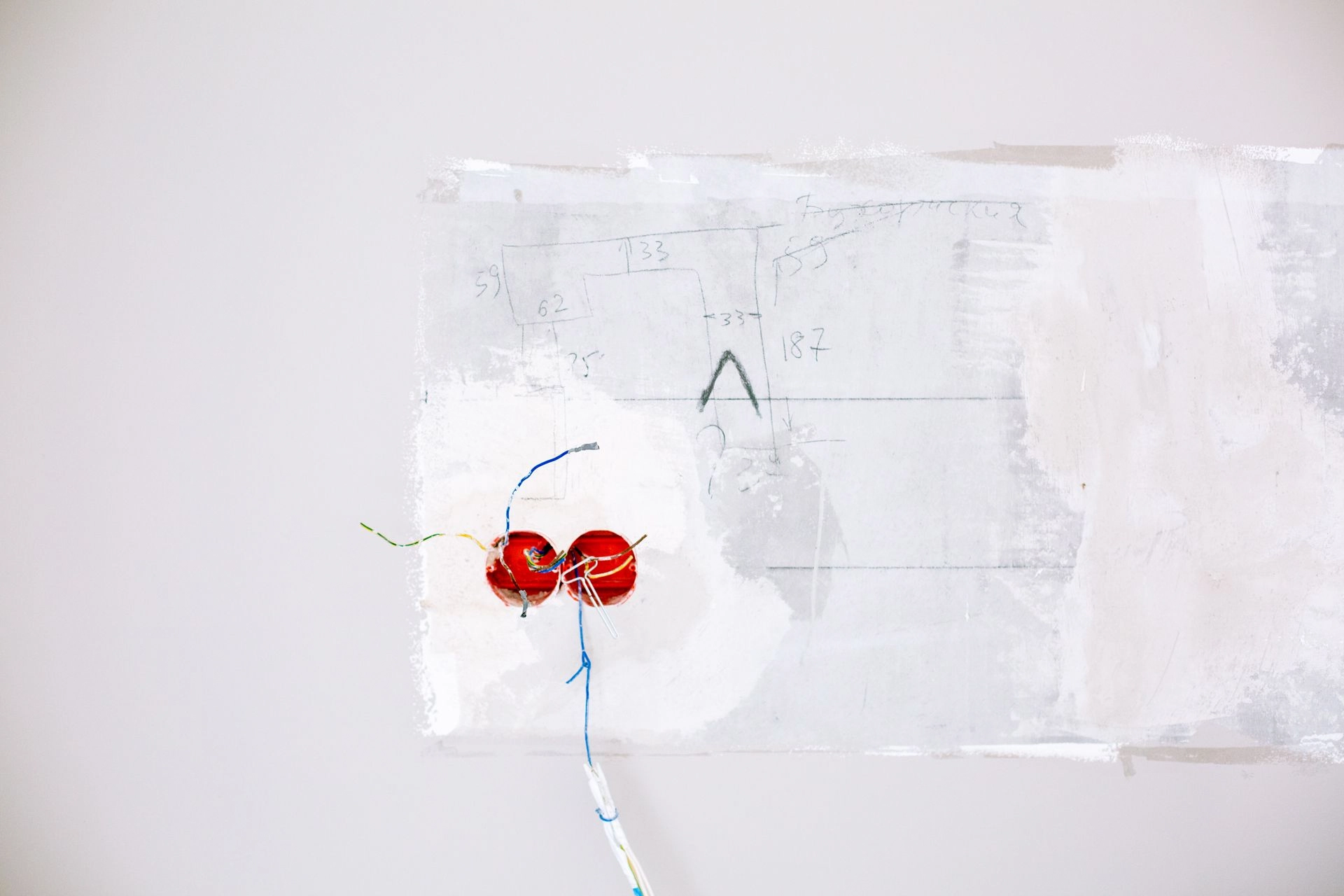
Concealed wiring in an HDB flat means routing electrical cables inside the wall cavity within conduit pipes, so that when the wall is plastered and painted, there is no visible cable run anywhere. The only things visible are the switch plates and socket faceplates flush-mounted into the wall.
The alternative is surface-mounted wiring, where plastic conduit trunking is attached to the wall surface with the cable running inside it. This is faster, cheaper and significantly uglier. In a renovation where you are repainting walls and installing new carpentry, there is almost no justification for leaving surface trunking in place unless you are deliberately working around a constraint.
When to Do It
Concealed wiring must be done before walls are plastered and painted. This is the only sensible sequencing. Your licensed electrician routes the conduits during the wet works phase, before plaster is applied. The cables are drawn through after plastering. Switch and socket faceplates are fitted during the final fix stage, after painting.
If you are doing a full renovation from scratch, there is no reason not to do concealed wiring throughout the flat. If you are doing a partial renovation in specific rooms, conceal the wiring in those rooms and live with the existing surface trunking elsewhere until you are ready to tackle those areas.
Our wet and dry works guide explains the full renovation sequence that makes this work correctly.
HDB Rules on Concealed Wiring
HDB requires that all electrical works in HDB flats be carried out by a Licensed Electrical Worker (LEW) registered with the Energy Market Authority. This applies to concealed wiring, new socket installations, circuit additions and distribution board upgrades. Using an unlicensed electrician is illegal and voids your home insurance. HDB can also require rectification at your cost if non-compliant work is discovered.
An LEW must submit an electrical installation test certificate on completion of any significant electrical works. This is part of the documentation your contractor should provide at handover. Our HDB electrical works guide covers licensing requirements and what to check when electrical works are complete.
Adding New Power Points: Do It While the Walls Are Open
Every Singapore homeowner who has done a renovation says the same thing afterwards: they wish they had put in more power points. The cost of adding an extra socket during renovation when the walls are open is minimal. The cost of adding one after the walls are finished involves cutting into plaster or tiles and making good the surface afterwards.
Map every appliance in every room against a power point position before your electrician draws the conduit route. Living room, kitchen, master bedroom and study are the areas where people most consistently underestimate how many sockets they need. Our electrical guide has a room-by-room socket count recommendation.
What About Existing Old Wiring in Resale Flats?
Older resale HDB flats, particularly those built before the 1990s, often have aluminium wiring rather than the copper wiring used in modern construction. Aluminium wiring is less conductive, more prone to oxidation at connection points and considered a fire risk by current standards. If your resale flat has aluminium wiring, full rewiring during renovation is strongly recommended and not optional from a safety perspective.
Signs of older wiring to watch for: warm or discoloured switch plates, frequently tripping circuit breakers, a single circuit serving multiple rooms and a fuse-based rather than circuit breaker distribution board. Our HDB Resale Full Reno Package with Full Rewiring includes complete electrical overhaul as standard for resale flats that need it.
Empire Works’ licensed electrical contractors handle concealed wiring for all renovation types, from single room electrical upgrades to full flat rewiring. Contact us for a free electrical assessment as part of your renovation planning.


